Protecting Your Skin and Our Seas: Why Reef-Safe Sunscreen Matters
We all know how important sunscreen is for protecting our skin from the sun's harmful rays. It's a key part of preventative healthcare! But have you ever thought about where your sunscreen goes after you take a dip in the ocean? Unfortunately, common sunscreen ingredients can wash off and impact delicate marine ecosystems, especially coral reefs.
Certain chemicals found in many conventional sunscreens, like oxybenzone and octinoxate, have been shown to contribute to coral bleaching and disrupt marine life. When these ingredients enter the water, they can harm the very ecosystems we love to visit and explore.
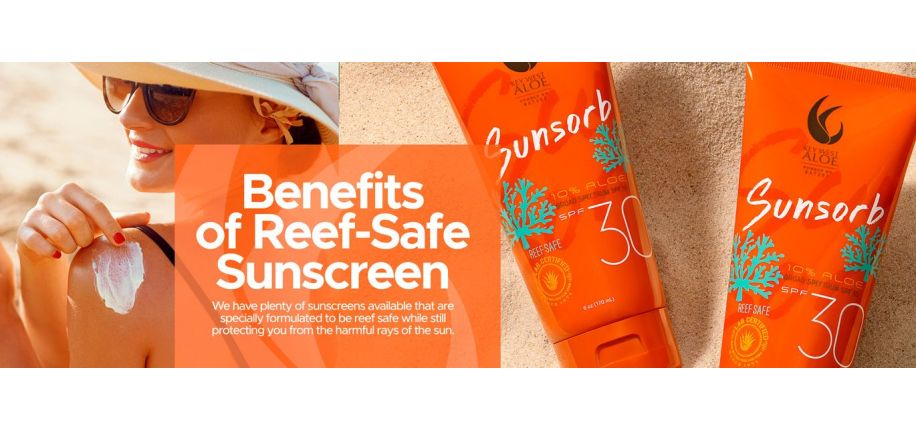
The good news? You have a choice! If you're planning a beach trip or want to make a more environmentally friendly choice, consider switching to a reef-safe sunscreen, such as Key West Aloe's Reef-Safe Sunsorb Sunscreen. These sunscreen formulas are designed to protect you from the sun while avoiding ingredients known to harm coral reefs and marine environments. Key West Aloe offers a great selection of reef-safe sunscreens that provide excellent sun protection.
Why Choose Reef Safe Sunscreen?
If you've been using sunscreen without much thought about the ingredients, you might wonder about the benefits of making the switch to environmentally friendly brands.
By choosing a reef-safe sunscreen, you're playing a valuable part in protecting our planet's precious coral reefs. While saving the oceans feels like a massive task, every small, conscious choice we make adds up! Imagine the collective impact if everyone switched to reef-safe options.
Coral reefs worldwide are facing serious threats and are declining at an alarming rate. Factors like climate change, pollution, and unsustainable fishing all play a role. However, reducing chemical pollution from sources like sunscreen is one positive step we can *all* take to help these vital ecosystems recover.
And it's not just about ocean swimming! Even when you wash off conventional sunscreen in your shower at home, those chemicals can enter waterways through drainage systems, eventually finding their way back to the marine environment. Choosing reef-safe sunscreen helps reduce this impact, too.
Making the switch to reef-safe sunscreen is an easy way to protect yourself from the sun while also protecting the beautiful marine life that needs our help. Look for sunscreens labeled explicitly as "reef safe" the next time you shop.
Reef-Safe Sunsorb Sunscreen SPF15 | Reef-Safe Sunsorb Sunscreen SPF30 | Reef-Safe Sunsorb Sunscreen SPF50
